
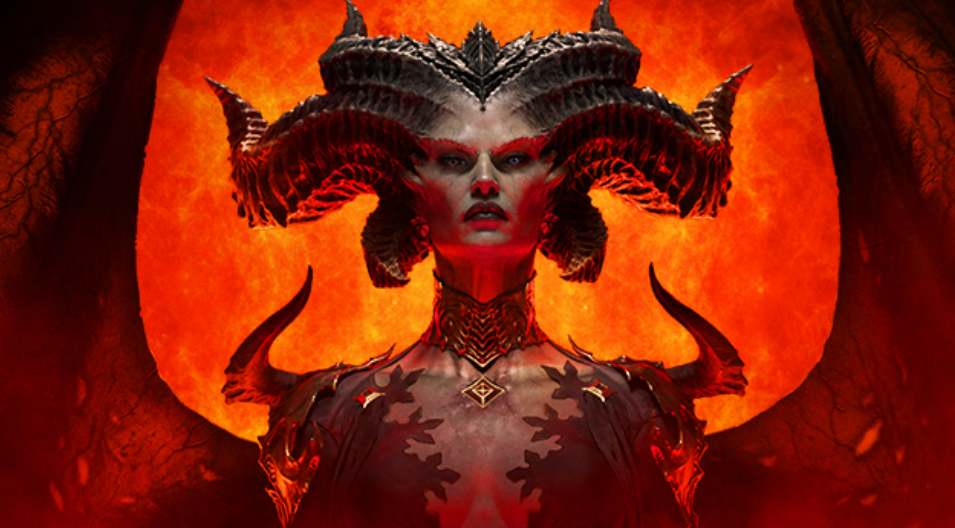
Few gaming franchises carry the weight of expectation that Diablo does. Since its debut in 1997, the series has defined and redefined the action RPG genre, with each entry serving as a benchmark for its era. After the controversial reception of Diablo III at launch and the mobile-focused Diablo Immortal, Blizzard faced immense pressure to deliver a mainline sequel that would recapture the dark essence of the series while modernizing its gameplay for contemporary audiences.
Enter Diablo IV, a game that explicitly aims to blend the gothic horror atmosphere of Diablo II with the refined combat mechanics of Diablo III, all while introducing an open-world structure new to the franchise. The result is a game that feels both familiar and fresh, though not without significant compromises along the way.

Sanctuary is now a seamless open world with dynamic weather and day-night cycles
Diablo IV takes place several decades after the events of Diablo III, in a world still reeling from the aftermath of the conflict between angels and demons. The game opens with a chilling cinematic that sets the tone perfectly: cultists perform a blood ritual that summons Lilith, daughter of Mephisto and the "mother" of Sanctuary. Her return triggers a new era of darkness across the land, with cults rising, monsters emerging from the shadows, and ordinary people turning against one another in fear and desperation.
The narrative represents a significant improvement over Diablo III, embracing a more grounded, horror-focused approach that echoes the series' roots. Gone are the high-fantasy elements and somewhat cartoonish villains of the previous game, replaced by a grimmer, more nuanced tale of a world corrupted by fear and manipulation. The writing is generally strong, with memorable characters like the world-weary Lorath and the enigmatic Neyrelle providing emotional anchors throughout the campaign.
Where the story falters is in its pacing and ultimate payoff. The first two acts build tension masterfully, creating a compelling mystery around Lilith's intentions and the true nature of Sanctuary's creation. However, the third act rushes to its conclusion, leaving several plot threads unresolved and setting up obvious hooks for future expansions. The final confrontation, while visually impressive, lacks the emotional impact it clearly aims for, partly because certain key relationships aren't given enough time to develop.
The setting itself is Diablo IV's greatest narrative strength. Sanctuary has never felt more like a real, lived-in world, with distinct regions that each tell their own stories through environmental design. From the bleak, corpse-strewn fields of the Fractured Peaks to the fetid swamps of Hawezar, each area conveys a sense of history and horror that enhances the overall atmosphere. NPCs populate small settlements and larger cities, many with their own side quests and stories that flesh out the world's lore in meaningful ways.
At its core, Diablo IV's gameplay follows the tried-and-true formula of the series: click on enemies to attack them, collect increasingly powerful loot, and watch your character grow from a vulnerable wanderer to a god-like slayer of demons. What sets this entry apart is the refinement of these mechanics and the open-world structure that houses them.
Combat feels weighty and impactful, striking an excellent balance between Diablo II's deliberate pace and Diablo III's more arcade-like fluidity. Each of the five classes—Barbarian, Sorceress, Rogue, Druid, and Necromancer—has a distinct playstyle that genuinely feels different from the others. The Barbarian's brutal, close-quarters combat contrasts sharply with the Sorceress's elemental spellcasting or the Necromancer's minion management, providing significant replay value.
The skill system represents a thoughtful evolution of previous designs. Rather than the somewhat restrictive skill trees of Diablo II or the too-flexible skill swapping of Diablo III, Diablo IV offers branching paths with meaningful choices. You can't unlock everything on a single character, forcing you to commit to specific builds and playstyles. This approach encourages experimentation with different characters while ensuring that each build feels distinct.
Item design has also seen significant improvements. Legendary items now have powers that can be extracted and applied to other gear, allowing for more customization without the overwhelming randomness of Diablo III's loot system. The introduction of unique items that can't be modified but have powerful fixed attributes creates genuine "chase items" that give long-term players something to hunt for.
The open-world structure represents the biggest departure from previous games. Sanctuary is now a seamless environment where you can travel from one region to another without loading screens, encountering world events, side dungeons, and other players along the way. This design works surprisingly well for the most part, creating organic opportunities for exploration and discovery that weren't possible in the more linear previous entries.

Combat feels weighty and impactful with distinct playstyles for each class
Diablo IV's progression system is where some of its most significant issues emerge. The leveling experience through the campaign and into the early endgame is generally excellent, with a steady drip of new skills, gear improvements, and power increases that keep you engaged. The problem comes when you reach the later stages of the endgame, where progress slows to a crawl and repetition sets in.
The Paragon Board system, which unlocks after reaching level 50, offers an interesting twist on post-cap progression. It's essentially a massive board game where you place tiles to gain incremental stat increases and occasional significant power boosts. While conceptually sound, the implementation suffers from too many minor upgrades that don't meaningfully change how your character plays, leading to a sense of diminishing returns on time invested.
Endgame activities consist primarily of Nightmare Dungeons (enhanced versions of regular dungeons with modifiers that increase difficulty and rewards), Helltides (timed events where powerful demons invade specific regions), and the seasonal World Boss encounters. While initially engaging, these activities lack sufficient variety to sustain long-term interest. After you've run a few dozen Nightmare Dungeons, you've essentially seen everything they have to offer, with only numerical increases to difficulty and rewards to keep you going.
The seasonal model, which has become standard for live-service games, presents another point of contention. Each season introduces new mechanics, items, and challenges, but also effectively resets your progress by encouraging you to create new characters. For players who enjoy the leveling process, this is a welcome opportunity to try different builds. For those more invested in gradually perfecting a single character, it can feel like their time investment is being devalued every few months.
Visually, Diablo IV is a stunning achievement that successfully modernizes the series' aesthetic while honoring its gothic roots. The art direction leans heavily into medieval horror, with environments that feel genuinely oppressive and unsettling. Blood, viscera, and religious iconography are everywhere, creating a world that feels consistently threatening and corrupted.
Character models and animations are exceptionally detailed, with armor and weapons that look appropriately weathered and realistic. Spell effects strike a good balance between visual spectacle and clarity—even in the most chaotic battles, you can generally tell what's happening. The dynamic lighting system deserves special mention, with shadows that stretch and recede as day turns to night, and flickering torchlight that creates an appropriately ominous atmosphere in dungeons.
The sound design is equally impressive. The ambient audio creates a constant sense of unease, with distant screams, howling winds, and unsettling whispers that keep you on edge even in seemingly safe areas. Combat sounds have real weight to them—the crunch of a Barbarian's hammer connecting with a demon's skull or the sizzle of a Sorceress's lightning spell chain-reacting through a group of enemies provides satisfying feedback for every action.
Voice acting is generally strong throughout, with standout performances from the main cast. The soundtrack, composed by Leo Kaliski, deserves particular praise for its haunting melodies and subtle themes that echo the iconic work of Matt Uelmen from earlier games while establishing its own identity. The music dynamically shifts between ambient exploration themes and more intense battle compositions seamlessly, enhancing the gameplay experience without ever becoming intrusive.

Dungeons feature impressive lighting and atmospheric design that enhances the horror elements
Perhaps the most controversial aspect of Diablo IV is its monetization model, which combines a premium box price with seasonal battle passes and a cosmetic shop. While Blizzard has kept their promise that paid items are purely cosmetic with no gameplay advantages, the aggressive promotion of these elements within the game itself can sometimes detract from the immersion.
The base game offers substantial content for its price, with a 20-30 hour campaign and dozens more hours of initial endgame progression. The seasonal model adds free content updates every few months, which helps maintain the game's longevity. However, many of the most visually impressive armor sets, mounts, and effects are reserved for the premium battle pass or direct purchase in the shop, which can feel at odds with the game's loot-driven progression.
The always-online requirement, even for solo play, has been another point of contention. While it enables seamless multiplayer interactions and helps prevent cheating, it also means that server issues or maintenance can prevent access to a game you've purchased. During the review period, there were several instances of server instability that interrupted gameplay sessions, though these have become less frequent since launch.
On PC with a high-end system, Diablo IV runs smoothly at high settings, maintaining a consistent 60+ fps even during the most chaotic encounters. Console performance is similarly impressive on PS5 and Xbox Series X, with two visual modes offering either higher resolution or better framerates depending on player preference.
The game has suffered from some technical issues since launch, though many have been addressed through patches. Occasional crashes still occur, particularly during transitions between major areas or after extended play sessions. Some players have reported progress loss when servers disconnect unexpectedly, though this appears to be relatively rare.
Load times are impressively short on current-gen consoles and SSDs, with fast travel between distant points taking only a few seconds. The UI is generally well-designed for both controller and mouse/keyboard play, though inventory management remains somewhat cumbersome regardless of input method—a persistent issue for the genre.
Diablo IV represents a mostly successful return to form for the franchise, blending the atmospheric horror of Diablo II with the refined gameplay mechanics of Diablo III. The core combat loop remains as satisfying as ever, and the open-world structure adds a new dimension to exploration that works surprisingly well for the series. The darker, more grounded narrative approach is a welcome change from its predecessor, even if the story doesn't quite stick the landing in its final act.
Where the game stumbles is in its endgame progression and monetization model. The repetitive nature of the endgame activities and the slow pace of advancement after reaching higher levels can make long-term engagement feel more like a grind than a rewarding experience. The aggressive promotion of cosmetic microtransactions in a premium-priced game, while not affecting gameplay directly, does detract from the immersion and sense of earning rewards through gameplay alone.
Despite these issues, Diablo IV remains a solid entry in the storied franchise that will please both longtime fans and newcomers. The moment-to-moment gameplay is consistently enjoyable, the world of Sanctuary has never looked more atmospheric or detailed, and the foundation is strong enough that future seasons and expansions could address many of the current shortcomings.
For action RPG enthusiasts, Diablo IV is certainly worth playing, though expectations should be tempered regarding its longevity as a service game. It's at its best during the campaign and early endgame, where the progression feels meaningful and the world is still full of secrets to discover. Whether it can maintain that appeal through years of seasonal content remains to be seen, but the journey is enjoyable enough to recommend even if you don't stay for the entire ride.
Have thoughts about this review or want to discuss Diablo IV with other players? Join our community Discord server!
Join Discord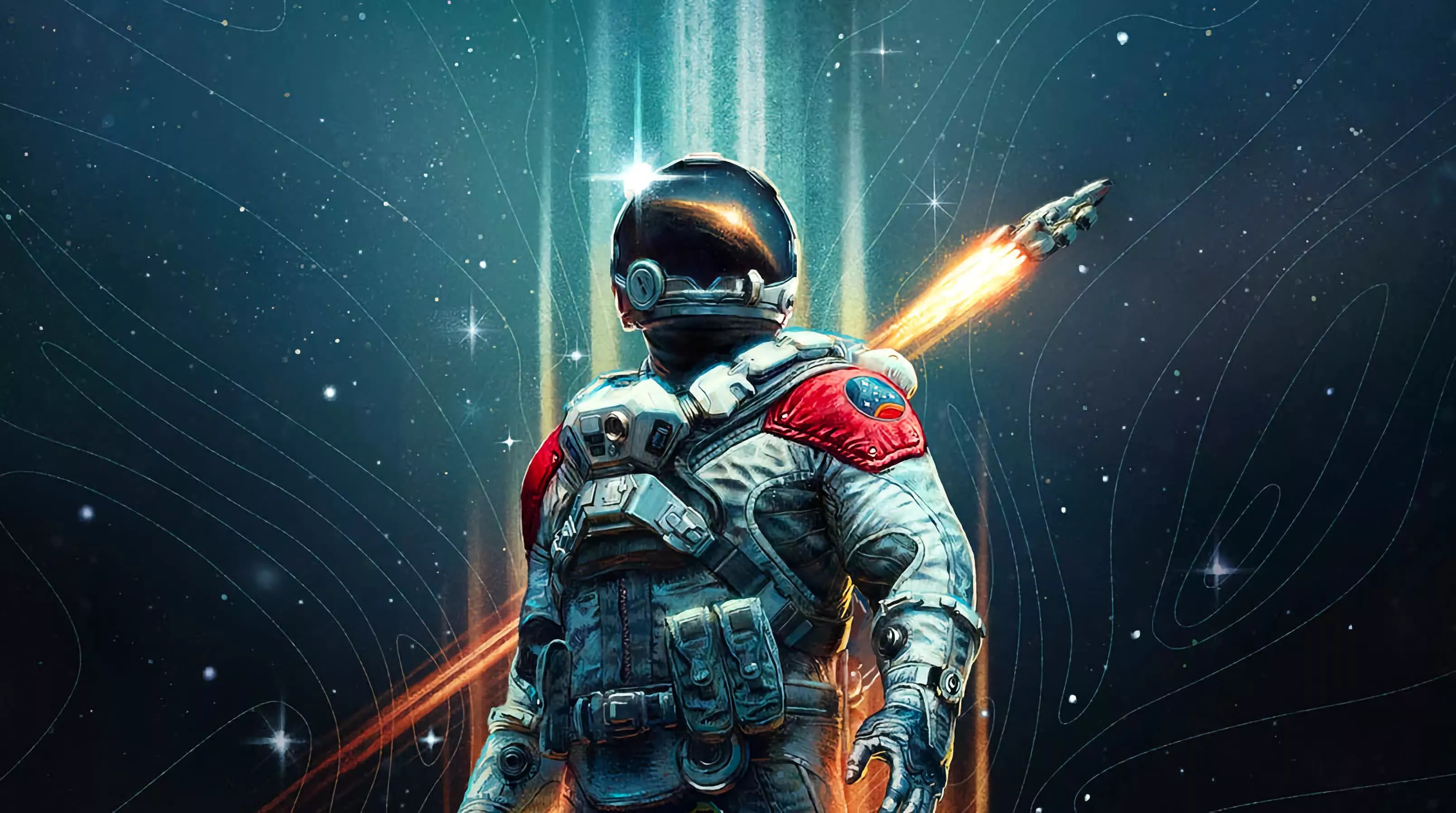 Game
Game
Bethesda's ambitious space epic delivers on its promise with a vast universe to explore, compelling storytelling, and unprecedented freedom.
Read Review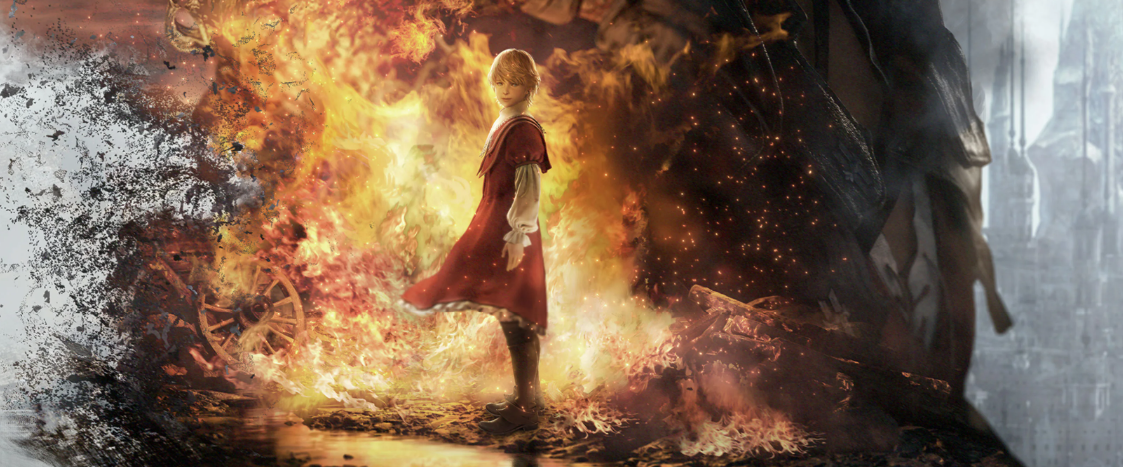 Game
Game
Square Enix delivers a darker, more mature entry in the legendary series with stunning visuals, a compelling narrative, and a refined combat system.
Read Review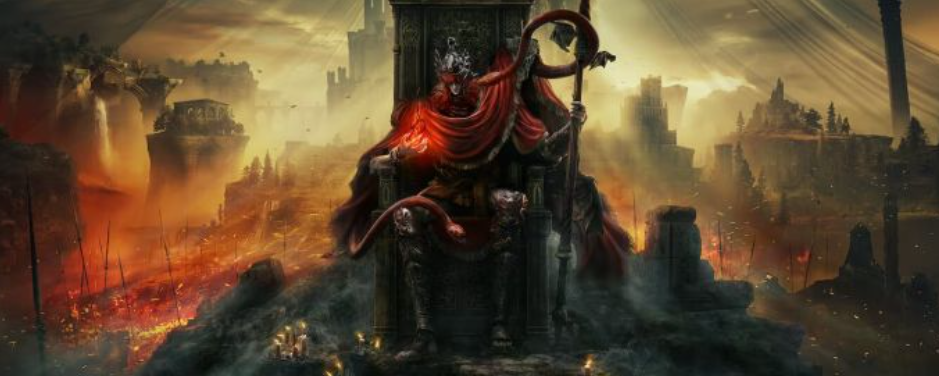 Game
Game
FromSoftware's massive expansion builds upon the foundation of the base game with new challenging areas, terrifying bosses, and expanded lore.
Read Review